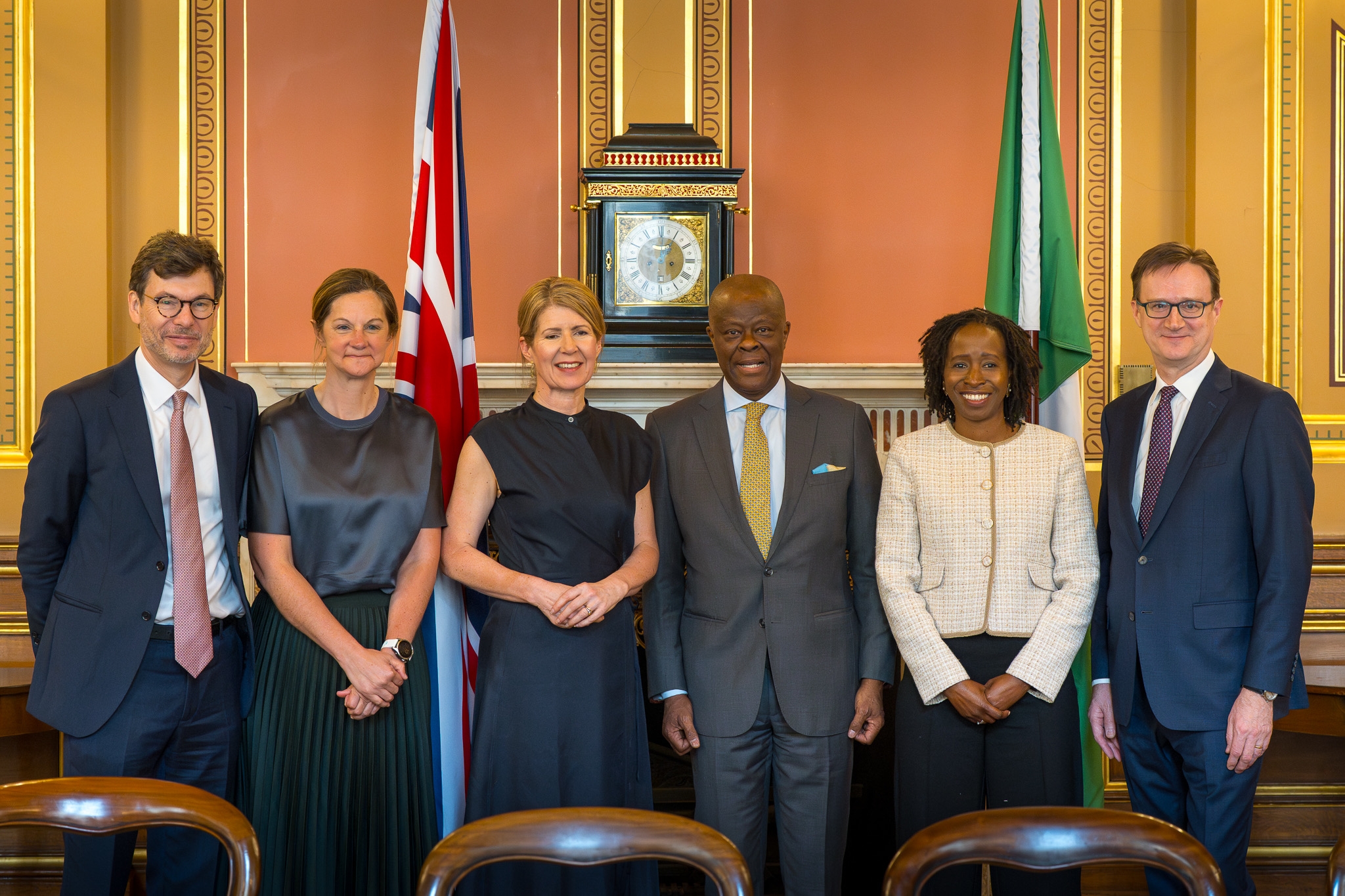
A New Dawn for UK Diplomacy in Nigeria: Forging a Path of Commercial Reciprocity
The landscape of international relations is perpetually shifting, and for nations with shared histories, this evolution often heralds profound changes in how they engage. For Nigeria and the United Kingdom, the traditional narrative is giving way to a dynamic era defined by mutual commercial benefit and strategic investment. This significant shift, dubbed the "Windsor Realignment," underscores a pivot in
Windsor Realignment: UK-Nigeria's New Commercial Diplomacy Era, moving definitively from a post-colonial sentiment to a relationship anchored in tangible, quantifiable outcomes.
President Bola Tinubu’s state visit to the UK, anticipated as a meticulously organised inflection point, transcends mere ceremonial pageantry. It signals a high-intentionality journey where diplomatic capital is directly converted into sovereign gains for both nations. This transformation is crucial for Nigeria, which seeks robust partnerships to address its developmental challenges, and for the UK, looking to deepen its engagement with one of Africa’s largest and fastest-growing economies. The focus is clear: to foster an "Enhanced Trade and Investment Partnership" (ETIP) rooted in "commercial reciprocity." Bilateral trade volumes have already demonstrated impressive momentum, hitting a noteworthy £8.1 billion and reflecting an 11.4% year-on-year surge. This surge is propelled by British services and technology exports, complemented by Nigeria's determined macroeconomic recalibration, most notably the comprehensive liberalisation of its foreign exchange market.
This proactive approach to uk diplomacy nigeria is not merely about signing agreements; it's about creating an environment where both countries thrive. Nigeria, no longer content to be a passive market, is actively leveraging its demographic dividend and vast potential to attract British industrial capital, particularly for critical energy and digital infrastructure projects. Simultaneously, the Nigerian delegation champions equitable exchange, pushing for fair market access for its domestic champions into primary UK aviation hubs, signalling the sunset of asymmetrical diplomacy. Such "deep diplomacy," championed by proactive diplomatic corps members, lays the groundwork for a truly balanced, data-driven partnership that acknowledges and prioritises mutual growth.
Unlocking Capital: Dual-Listing and Financial Synchronisation
A cornerstone of this renewed partnership is the ambitious plan to deepen the integration between the City of London and Nigeria’s burgeoning financial and technological ecosystems. A critical, albeit under-discussed, component of this realignment is the expected birth of a pivotal dual-listing framework between the Nigerian Exchange (NGX) and the London Stock Exchange (LSE). This move is a game-changer, designed to provide Nigerian green-energy startups and digital infrastructure firms with the requisite liquidity to scale globally.
By leveraging London’s deep pools of institutional capital, Nigeria aims to position itself as the primary gateway for "green eurobonds" in Africa. This isn't just about attracting foreign investment; it's about transforming how Nigerian enterprises access growth capital. For green energy and digital infrastructure, which require significant, long-term funding, the ability to dual-list offers an unparalleled advantage. It opens doors to a wider investor base, potentially leading to more competitive valuations and enhanced corporate governance due to increased scrutiny.
The financial synchronisation extends beyond mere lending or equity injection; it involves a methodical transfer of regulatory expertise. This critical aspect ensures that Nigeria’s special economic zones (SEZs) and emerging businesses meet the rigorous Environmental, Social, and Governance (ESG) benchmarks required by global investors. Achieving these standards is vital for de-risking the Nigerian market, thereby paving the way for massive UK pension fund entries.
Tips for Nigerian Firms Considering Dual-Listing:
- Strengthen Governance: Adopt international best practices in corporate governance, transparency, and reporting.
- ESG Compliance: Proactively implement and report on ESG initiatives to meet global investor expectations.
- Legal and Financial Advisory: Engage experienced UK and Nigerian legal and financial advisors to navigate regulatory complexities.
- Investor Relations: Develop a robust investor relations strategy to attract and retain institutional investors.
Fintech: Powering Nigeria's Digital Future and UK Collaboration
Nigeria stands at the forefront of Africa’s digital revolution, boasting a vibrant and rapidly expanding fintech ecosystem. This sector is not just a market; it's an innovation hub, driving financial inclusion and economic transformation. The deepening integration between the City of London – a global financial powerhouse – and Nigeria’s fintech landscape is a natural progression of this partnership.
UK fintech companies bring a wealth of experience in regulatory frameworks, cybersecurity, advanced analytics, and scalable digital solutions. Conversely, Nigerian fintechs offer unparalleled insights into local market dynamics, a proven ability to innovate under challenging conditions, and a direct conduit to Africa’s immense unbanked and underbanked populations. Collaboration here could lead to breakthrough solutions in areas such as:
*
Digital Payments: Enhancing interoperability and expanding cross-border payment solutions.
*
Blockchain and Distributed Ledger Technology: Exploring applications in remittances, supply chain finance, and digital identity.
*
RegTech and Cyber Security: Strengthening the regulatory environment and protecting digital assets.
*
Embedded Finance: Integrating financial services seamlessly into non-financial platforms.
Actionable Advice for Fintech Collaboration:
- For UK Fintechs Entering Nigeria: Partner with local fintechs or incubators to understand the unique market landscape and regulatory nuances. Focus on solutions that address local challenges (e.g., last-mile delivery, financial literacy).
- For Nigerian Fintechs Seeking UK Partnerships: Emphasise your innovative solutions to local problems, demonstrate scalability, and ensure robust data protection and regulatory compliance to attract UK investors and partners.
- Regulatory Dialogue: Encourage ongoing dialogue between UK and Nigerian financial regulators to create harmonised standards and foster a conducive environment for innovation.
Green Investment: A Sustainable Path to Growth and De-Risking Nigeria
Nigeria faces a significant infrastructure deficit, estimated at $70-100 billion annually. Addressing this gap sustainably is paramount for long-term economic growth and stability. This is where green investment emerges as a critical pillar of the UK-Nigeria partnership. The dual-listing framework and the push for "green eurobonds" are strategically aligned to channel London's deep institutional capital towards environmentally sustainable projects.
Green investment in Nigeria offers a dual benefit: it tackles the infrastructure gap while simultaneously addressing climate change challenges and fostering economic diversification. Key areas for green investment include:
*
Renewable Energy: Development of solar farms, wind power projects, and small-scale hydro-power solutions to augment Nigeria's power grid.
*
Sustainable Infrastructure: Investment in green buildings, eco-friendly transportation systems, and waste-to-energy initiatives.
*
Climate-Smart Agriculture: Funding for sustainable farming practices, irrigation technologies, and agricultural value chain enhancements that reduce environmental impact.
*
Digital Infrastructure: Building energy-efficient data centres and expanding fibre optic networks to support the digital economy.
By prioritising ESG benchmarks and fostering regulatory expertise transfer, uk diplomacy nigeria is actively working to de-risk these investment opportunities. This proactive de-risking strategy is essential for attracting massive UK pension fund entries, which typically have strict mandates regarding sustainability and long-term stability. The potential for Nigeria to become a hub for green finance in Africa is immense, offering both environmental dividends and significant economic returns.
Policy and Investment Tips for Green Growth:
- Clear Policy Frameworks: Nigeria should continue to develop clear, consistent, and attractive policies for green investments, including tax incentives and streamlined regulatory processes.
- Capacity Building: Invest in local expertise for project development, assessment, and implementation of green infrastructure.
- Public-Private Partnerships (PPPs): Actively pursue PPP models to leverage private capital and expertise in green projects.
- Demonstration Projects: Showcase successful green investment projects to build investor confidence and attract further capital.
In conclusion, the "Windsor Realignment" signals a transformative moment for
UK-Nigeria trade surges, unpacking the £8.1B partnership. Through a strategic focus on commercial reciprocity, enhanced trade, and a shared commitment to sustainable growth, the uk diplomacy nigeria is paving the way for a more robust and equitable relationship. The proposed dual-listing framework, the deepening integration of fintech ecosystems, and the aggressive drive for green investment exemplify this forward-looking partnership. As both nations navigate global economic shifts, this strategic alignment promises not just diplomatic success, but tangible, long-term economic prosperity and sustainable development for future generations.